
The Continental Coliseum groundbreaking in downtown Oklahoma City had a deadline most guests never saw. The location of the event required shutting down part of the streetcar route, which could only be done for a limited amount of time, so we had 12 hours to set up, hold the ceremony, and clear the site. The stage also had to fit around streetlights and other fixed obstructions, with room for city officials, Thunder leadership, guests, and the public.
Those constraints shaped the whole production. Mission-critical work often looks like that, where one requirement affects everything else and the plan has to account for it early. It’s why our approach to live event production in Oklahoma City begins with understanding what the event has to accomplish and what could get in its way, even when it’s a streetcar schedule.
Find the Constraint That Shapes the Show
A run of show tells you when each person speaks, but it doesn’t always reveal what will make the event hard to deliver. At the groundbreaking, the ceremony also had to keep the future arena site at the center of the moment. Our work on audio, production planning, and site drawings started with figuring out how the stage, equipment, and guests would fit within the available space.
That’s what “listen first, then dream” looks like in practice. Before we choose a production approach, we want to know what can’t move and who else is depending on the plan. Corporate events often have an announcement that can’t get out before a certain moment. Hotels and convention centers bring their own limits, like areas that have to stay open to other guests or several crews sharing the same building. Once we know which constraint matters most, the rest of the plan has something to build around.
Make the Systems Work Together
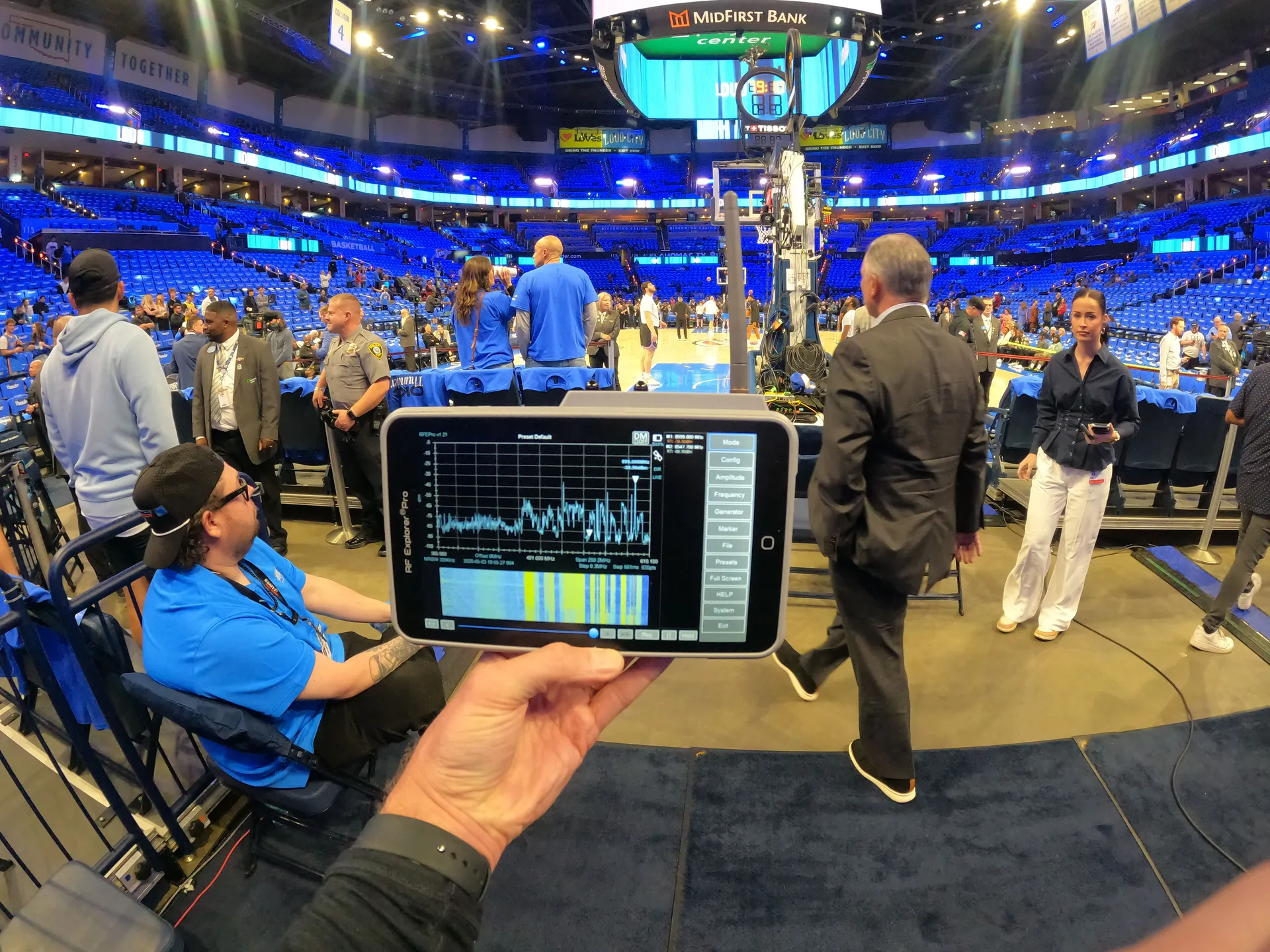
During a nationally televised Thunder game, the network’s broadcast truck has to work with the systems already in the arena. Our part includes the signal flow between them and wireless coordination in an environment with 80 to 100 active frequencies across broadcast, team, and media equipment. As the playoffs progress, even the post-game press conference grows into something closer to a small studio.
Much of that coordination comes down to knowing where one crew’s decisions affect another’s. Each crew can arrive fully prepared for its own job, and the event can still run into trouble if nobody is looking at how the pieces connect. That’s a big part of the live event technology services we provide in OKC.
Prepare Around What Cannot Be Known Yet
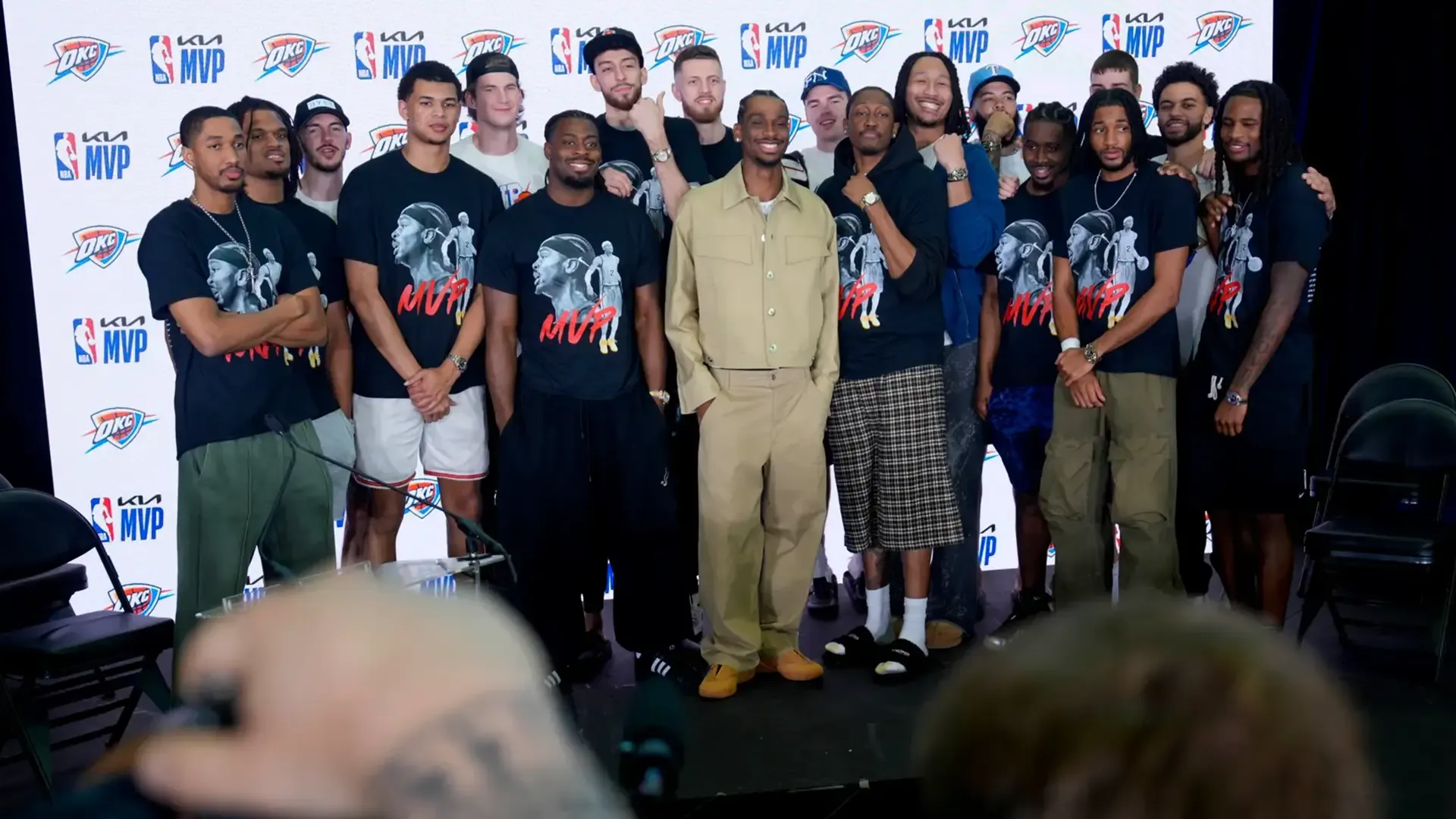
When Shai Gilgeous-Alexander was named the 2024–25 NBA MVP, the Thunder needed a press conference on the team’s practice court the same day. We couldn’t start loading in until the news was public, and nobody could plan around final details until the vote was official. So the preparation had to happen with the outcome still unknown. That meant knowing ahead of time what the audio, video, and LED setup needed to look like, what could be built fast, and how the space should feel for a moment that meant a lot to the athlete and the franchise.
We talk a lot about being the easiest team in the room, and moments like this are where it gets tested. Technical skill is part of it, and so is making clear decisions quickly without handing more pressure to the people already responsible for the day. Corporate events can work the same way, like a leadership meeting where the agenda keeps shifting until the week of. Our event production services in OKC are built for that kind of uncertainty.
Keep the Outcome in View
“The show comes first” is one of our values, and it gives us a simple test for every production decision, which is whether it helps the event do what it’s there to do. That question had different answers at the groundbreaking, during a Thunder broadcast, and on MVP day, but it was always the same question. Clients should be able to focus on the people they’ve brought together and the reason everyone is there, while we handle the full-service event production that makes it possible.
If you’re planning an event in Oklahoma City with unusual requirements or several teams involved, talk to our team. We’re glad to help figure out what it needs before anything gets locked in.
Frequently Asked Questions
What does mission-critical event production mean?
At CNS, it means planning around the requirements that the event depends on. That might be a fixed access window, a confidential announcement, or broadcast systems that need to work with an existing venue setup. We identify those requirements and coordinate production around them.
Does an event have to be large to be mission-critical?
No. A press conference with a limited audience can carry significant responsibility for the organization hosting it. The stakes come from what needs to happen, who is depending on it, and what would be affected if production falls short.
When should we involve CNS in planning an event?
Bring us in while decisions about the venue, schedule, and production approach are still open. You don’t need a finished brief. Knowing the event’s purpose, likely location, and any fixed requirements gives us a useful starting point for identifying what the production will need.
Can CNS work alongside our venue, agency, or broadcast team?
Yes. Our Thunder work includes coordinating visiting broadcast systems with existing arena infrastructure. When several teams are involved, we help identify where their technical requirements connect and what needs to be coordinated so each team can carry out its role.